What Farmers Really Think About Carbon Farming?
Between January and April 2025, a cross-country survey brought together 96 stakeholders—nearly half of them farmers—from Greece, Italy, and Spain to better understand how carbon farming is perceived and practiced at the ground level. Led by Centoform with partners like Theophrastus Research Institute and Ecovalia, the initiative aimed to shed light on awareness levels, adoption barriers, and training needs within the agrifood sector.
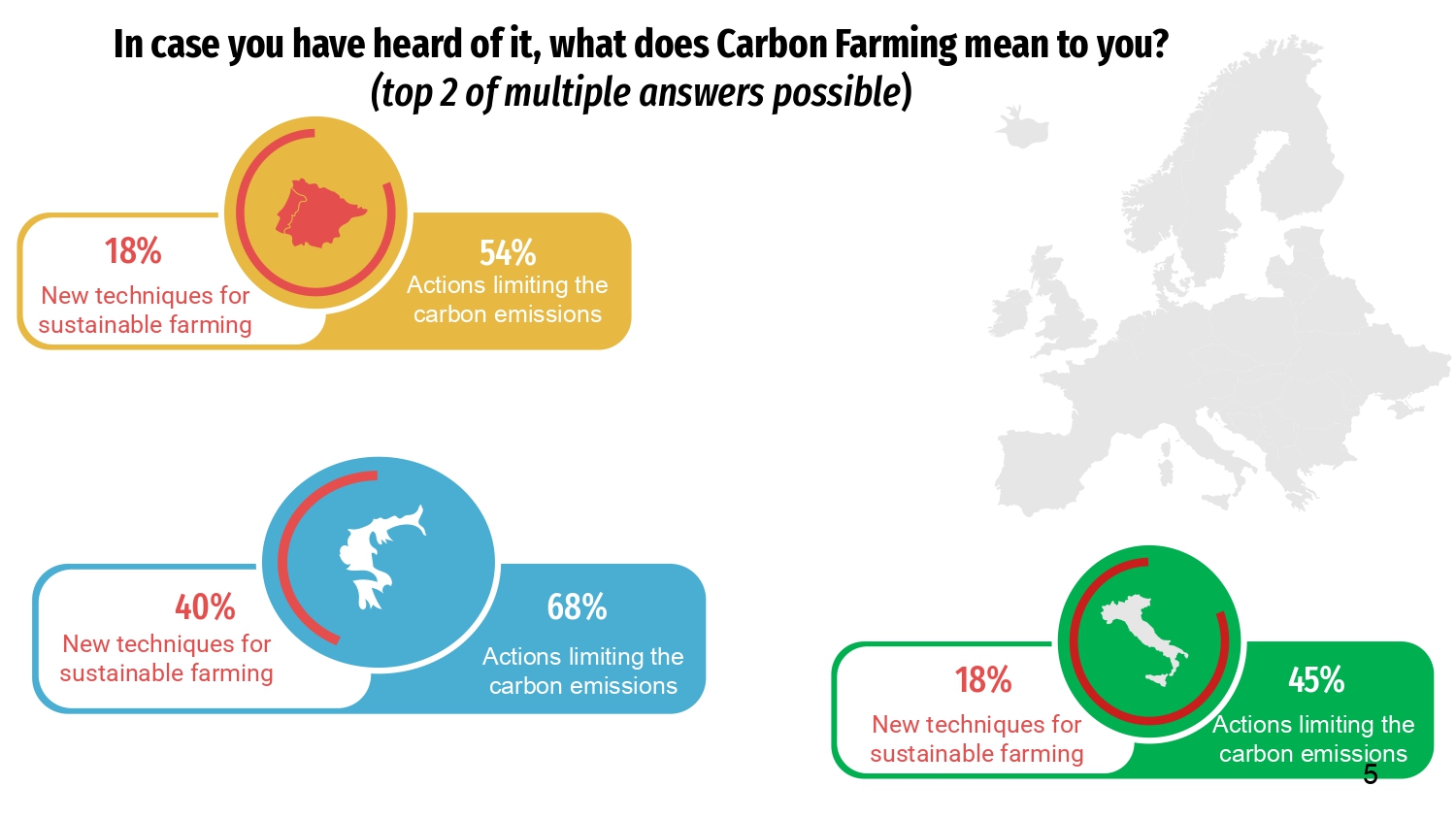
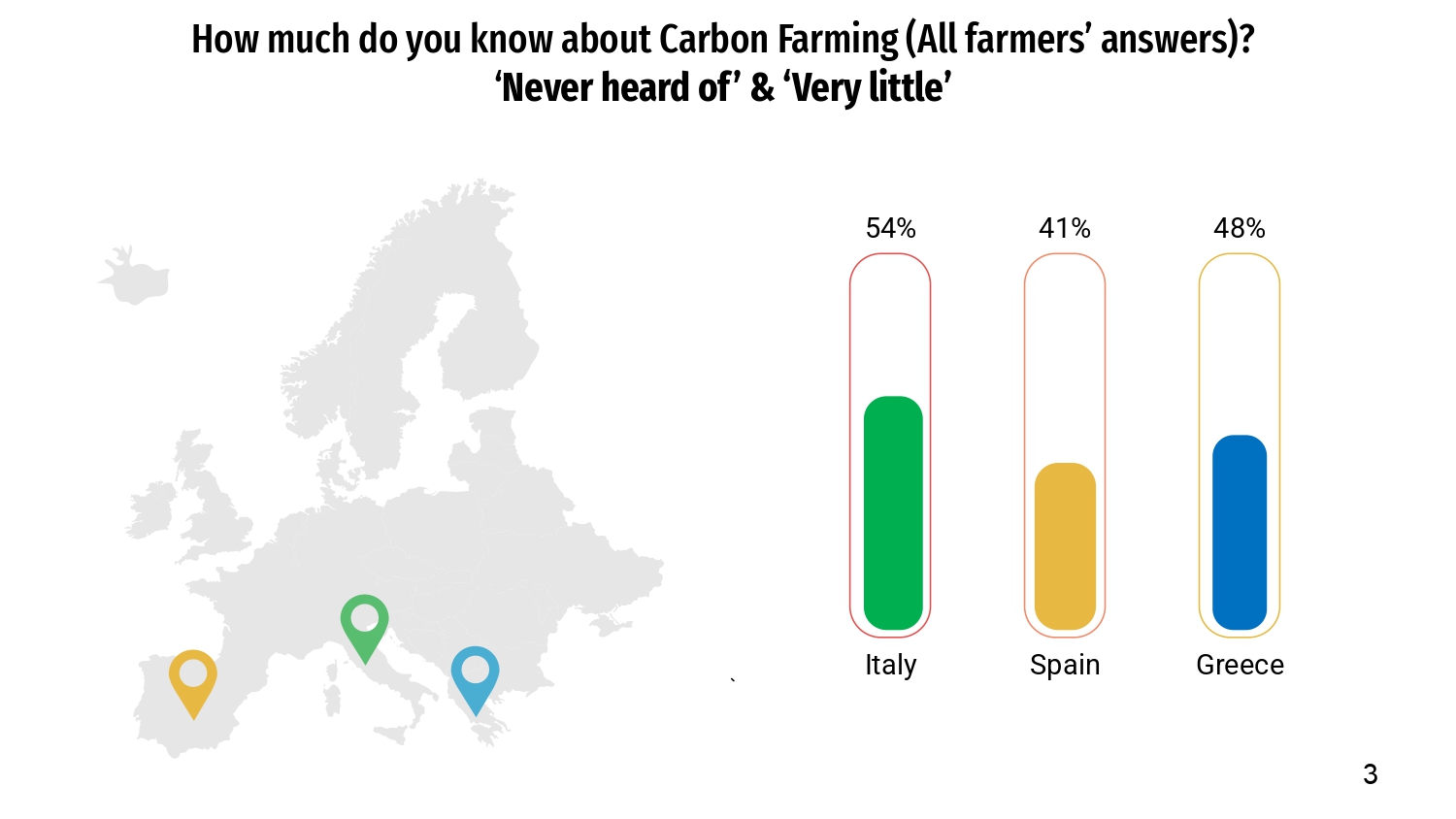
The results are encouraging. Most participants were already familiar with the concept of carbon farming, often describing it as a way to limit emissions or farm more sustainably. Digital tools, workshops, and specialized media were the key channels through which they learned about it.
More than half of the respondents believe carbon farming can benefit both individual farms and local communities. While some are still unsure—especially those not involved in EU eco-schemes—the general attitude toward adoption is positive. In fact, two-thirds said they are ready or very willing to try new practices.
What matters most to them? Seeing real examples, knowing the economic benefits, and feeling confident in their own knowledge. On the other hand, time constraints and equipment needs remain common concerns.
When asked what kind of support would help most, farmers pointed to practical training: learning specific techniques, exploring business opportunities, and sharing best practices across borders.
This survey highlights a growing openness to sustainable innovation—if backed by clear, hands-on support. With the right tools and targeted education, carbon farming could soon become a standard part of the agricultural toolkit.